Shades of Silver: The History and Evolution of Black and White Pinball Machines
Shades of Silver: The History and Evolution of Black and White Pinball Machines
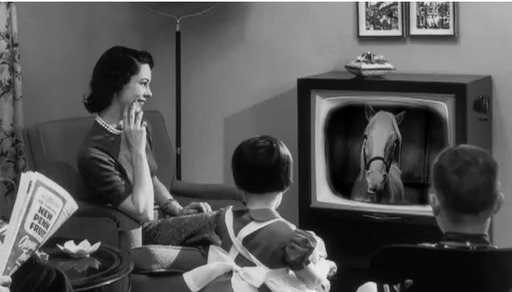
Long before flashing LEDs and high-definition LCD screens became standard in pinball, television brought the world into our living rooms in dramatic shades of gray. Classic series like The Twilight Zone, The Addams Family, and The Munsters, along with cinematic icons like Creature from the Black Lagoon, defined an era where shadows, contrast, and atmosphere mattered more than vibrant color palettes.
In the pinball world, this aesthetic has evolved into more than nostalgia — it has become a premium artistic statement. From the mechanical grit of Bally Centaur Pinball Machine to the specialized monochromatic builds from Stern Pinball and Pinball Machines South Africa, the Black & White movement celebrates the haunting elegance of classic television and cinema.
The Monochrome Roots: TV, Cinema, and Early Design
The decision to produce a black and white pinball machine is almost always a thematic tribute to the source material. In the 1950s and 1960s, viewers tuned into shows like The Twilight Zone and The Addams Family to experience eerie, surreal storytelling. Because these shows originally aired in black and white, their visual identities — Gothic mansions, dark lagoons, and shadow-filled dimensions — became inseparable from monochromatic imagery.
While early electro-mechanical pinball games from the 1930s and 1940s often featured limited color palettes due to printing limitations, the first truly intentional high-contrast black and white horror aesthetic arrived in 1981 with one legendary machine.
1. The Pioneer: Bally Centaur (1981)
Before boutique limited editions and custom collector runs, there was Bally Centaur Pinball Machine.
Designed by Jim Patla with haunting artwork by Paul Faris, Centaur is widely considered the grandfather of the Black & White pinball movement.
Unlike the bright comic-book colors dominating arcades at the time, Centaur used a dramatic grayscale playfield accented only by subtle pops of red and yellow. The biomechanical centaur theme matched the machine’s cold, futuristic personality perfectly. Combined with its iconic reverberating sound package, Centaur created an atmosphere unlike anything players had experienced before.
Today, Centaur remains one of the most respected collector machines in the hobby and is often cited as the primary inspiration behind modern monochromatic variants.
Then Came Pinball Machines South Africa: Boutique Black & White Transformations
While Stern Pinball focuses on large-scale production, Pinball Machines South Africa has carved out a niche in the boutique collector market by reimagining classic titles in stunning black and white form.
The company’s first Black & White custom pinball project began development in 2014 and was ultimately completed and showcased at Pinball Expo in 2018.
The Black & White Twilight Zone & Addams Family
Custom Black & White versions of Twilight Zone Pinball Machine and The Addams Family Pinball Machine have become legendary among collectors and enthusiasts.
These machines are completely stripped down and rebuilt with custom monochromatic playfields, cabinet decals, plastics, and lighting packages to create a true “Silver Screen” experience.
Twilight Zone
The Black & White version enhances the mystery and surrealism of the game’s “Dimension X” atmosphere. The gumball machine and Powerball visually stand out against the grayscale backdrop, creating a dramatic cinematic effect.
The Addams Family
Removing the bright colors transforms the machine into something far closer to the original Charles Addams artwork and the iconic 1960s television series. The result feels darker, creepier, and more authentic to the franchise’s roots.
The Future: Creature from the Black Lagoon B&W
There has been growing excitement surrounding a potential Black & White version of Creature from the Black Lagoon Pinball Machine.
The original 1992 machine featured a striking green hologram centerpiece. A monochromatic version could potentially utilize a “silver screen” hologram effect inspired directly by the 1954 Universal Monsters film, creating one of the most visually unique pinball experiences ever produced.
3. Stern Pinball and the Premium Monochrome Era
By 2019, Stern Pinball recognized that collectors were willing to pay a premium for highly thematic monochromatic editions.
The Munsters Black & White Premium
In 2019, Stern released The Munsters Pinball Machine based on the classic sitcom.
While the Pro and Limited Edition models featured full color artwork, the Premium Edition embraced a fully hand-drawn Black & White art package. This was not simply a grayscale filter — artists carefully used cross-hatching, shading, and contrast to preserve depth and visual clarity.
For many collectors, playing The Munsters in black and white felt like stepping directly into an episode of the original television series.
Some collectors still wonder whether the earlier boutique Black & White custom scene influenced Stern’s decision to explore factory monochrome editions.
Elvira’s House of Horrors: Blood Red Kiss Edition
Building on the success of The Munsters, Stern introduced the Elvira’s House of Horrors Blood Red Kiss Edition.
This machine adopted a noir-inspired aesthetic featuring black, white, and aggressive blood-red accents. The style echoed films like Sin City, where selective color is used to emphasize key visual elements.
The result perfectly complemented the dark horror-comedy atmosphere of Elvira and her “Mistress of the Dark” persona.
Godzilla: 70th Anniversary Premium Edition
In 2024, Stern released the Godzilla 70th Anniversary Premium Edition Pinball Machine to celebrate the 70th anniversary of the King of the Monsters.
This special edition transformed the original colorful layout into a dramatic grayscale presentation inspired by the grainy cinematography of the 1954 Japanese film.
The machine featured monochromatic toys, silver foil cabinet artwork, grayscale display optimization, and special “King of the Monsters” challenge modes.
It proved once again that for the right property, black and white can feel even more premium and cinematic than full color.
4. Prototypes and “The One That Got Away”
The history of monochrome pinball is also filled with legendary prototypes and unreleased concepts.
Monster Bash: Back in Black
Monster Bash Pinball Machine remains one of the most beloved pinball machines ever created.
During development and later remake discussions, prototype Black & White playfields occasionally surfaced featuring a more authentic Universal Monsters aesthetic. While these versions never entered full production, they became “holy grail” collector items among fans who preferred classic horror styling over the colorful original artwork.
5. The Hobbyist and Homebrew Revolution
Perhaps the most exciting aspect of the Black & White movement is the homebrew community, where independent builders create entirely original monochromatic machines.
Steamboat Willie 2.0
One standout project is Steamboat Willie 2.0 Pinball Machine by Craig Monyhan.
The machine begins entirely in black and white, mirroring the iconic 1928 Disney animation. Upon reaching wizard mode, the machine dramatically bursts into color — symbolizing the historical transition from black and white animation into the modern era.
It is widely considered one of the most creative storytelling concepts ever integrated into a homebrew pinball machine.
Motorhead: Modern Noir Homebrew Excellence
Another major figure in the monochrome homebrew scene is New Zealand creator David Peck, known online as “rotordave.”
His Motorhead Homebrew Pinball Machine debuted at the Texas Pinball Festival 2024 and immediately became one of the most talked-about custom builds in recent memory.
Inspired heavily by Bally Centaur, the machine uses grayscale artwork with carefully placed red highlights to create a gritty rock-and-roll noir atmosphere. Live concert footage, custom animations, and dramatic monochromatic artwork make it a perfect example of how Black & White design continues evolving today.
So Why Black and White?
The appeal of Black & White pinball lies in contrast.
In a dark arcade, home game room, or pinball expo, monochromatic machines stand out precisely because they reject the overwhelming visual saturation of modern entertainment. Without relying on bright colors, these games force players to focus on geometry, lighting, shadows, and artwork composition.
As entertainment becomes increasingly digital and visually overloaded, “Silver Screen” pinball machines offer something refreshingly different: a tactile connection to the golden age of cinema and television.
Whether it’s a factory-produced Stern machine or a painstakingly restored boutique custom build from Pinball Machines South Africa, black and white pinball proves that you don’t need a full spectrum of color to create a masterpiece under glass.
The real question now is: which manufacturer will be next to fully embrace the Black & White movement — and will they commit to a truly monochromatic masterpiece?